Stick Hero: Tower Defense
- 4.6
- Rating
- 50.00M
- Installs
- Free
- Price

 Analysis by App-foxy
I went into Stick Hero: Tower Defense expecting a quick strategy game built around simple decisions, and that is largely what I found: an easy-to-understand premise with enough room for poor timing, rushed choices, and inefficient use of your collected warriors to matter. It sits in the strategy category, but it is much more approachable than a complex management game. I can pick it up for a short session, understand the immediate objective, and still have a reason to think about my next move instead of tapping through without attention.
The game is free to download and is rated Everyone 10+, which makes it a reasonable choice for younger players who enjoy light combat and planning. It was released on August 25, 2022, and the current version is 1.0.104. Unicorn Studio Official is the developer, and the game has built a sizeable audience, with more than 50 million installs and an average rating of 4.7 from roughly 411 thousand ratings. Those numbers do not replace personal testing, but they do suggest that the basic pick-up-and-play formula has connected with a broad group of mobile players.
What the first sessions feel like
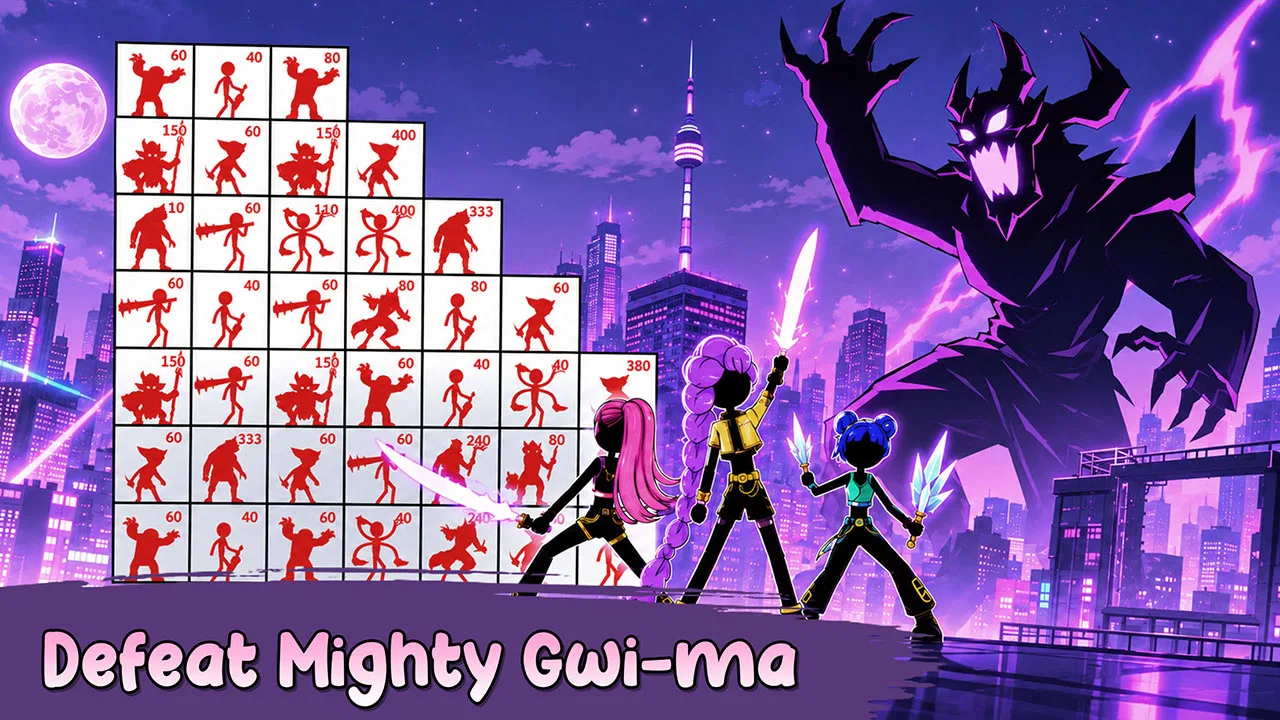
The strongest part of the experience is its low entry barrier. The store short description calls it “Stick Hero,” while the broader idea is about gathering red and blue warriors, expanding the inventory, and moving toward victory. I do not need a long explanation before making my first meaningful choice. That matters on a phone, where a game has only a few seconds to prove that it is worth keeping open.
You May Also Like

 AccuWeather: Weather Radar
AccuWeather Review: A Quick, Clear Forecast for Everyday Decisions
For everyday plans, the best forecast is the one you can understand quickly. AccuWeather makes rain timing, radar, and local conditions easy to act on, with a few trade-offs.

 Hill Climb Racing
Why Hill Climb Racing Still Turns Crashes Into One More Run
A tiny car, a bumpy hill and one more upgrade: Hill Climb Racing keeps resurfacing because its simple chaos makes every near-miss feel personal.

 AliExpress - Shopping App
AliExpress Makes Global Shopping Feel Personal, but Shoppers Bear the Risk
AliExpress turns a global marketplace into a pocket-sized discovery engine. Its reach is useful, its shopping loop compelling, and its trade-offs easy to miss.

 Lords Mobile: Kingdom Wars
Lords Mobile Is a Kingdom-Building Routine, Not a Quick Match
A case-by-case verdict on the building, battles, device demands, and social commitments that make Lords Mobile rewarding for some players and exhausting for others.

 PDF Scanner app - TapScanner
TapScanner Makes Paperwork Easier to Capture, Check, and Share
TapScanner makes scanning with a phone feel less like a rescue operation and more like a dependable step in getting work done. Its capture tools are useful, though not flawless.

 Block Blast!
 Shows How Much a Puzzle Game Can Leave Out
A quiet grid game shows why puzzle players increasingly value instant clarity, repeatable skill and low-pressure play—and where the genre still needs to catch up.
More From Our News Desk
View All News


At the same time, the simplicity can make the early flow feel less forgiving than expected. A player may understand the goal but still get stuck because the immediate decision is not as obvious as the presentation suggests. In my experience with this kind of compact strategy format, the common mistake is treating every available unit or reward as equally valuable. The better approach is to pause briefly and consider whether a choice improves the next encounter or merely makes the inventory look fuller.
The main lesson is to treat each action as preparation for the next obstacle, not just progress on the current screen. That small change in attitude makes the game feel more strategic. Instead of reacting to whatever appears first, I look for a sequence: what I can safely collect now, what I may need later, and whether a tempting move leaves me with an awkward combination of warriors.
This is also where the game differs from a standard casual arcade title. A purely reflex-based alternative usually rewards speed and repetition. Here, the appeal comes from combining collection with forward planning. It is still accessible, but I get more from it when I resist the urge to rush. Players who want a deep, long-form strategy simulator may find the systems too light, while players who like short tactical decisions should feel more at home.
Where players are most likely to get stuck
The first friction point is usually not installation. It is understanding what deserves attention during a run. The red and blue warrior setup gives the game an immediate visual identity, but color alone should not encourage random collecting. I found it more useful to watch how the available choices fit together than to chase every visible option. A full inventory is not automatically an effective inventory.
A practical habit is to identify the next likely problem before committing to a reward. If the upcoming challenge appears to demand a particular kind of strength, taking a less attractive choice that supports that need can be better than selecting the most obvious prize. This is a non-obvious advantage of playing slowly: the game becomes less about luck in the moment and more about avoiding self-created dead ends.
Another source of confusion is assuming that a failed attempt means the whole strategy is wrong. Sometimes the problem is only the order in which choices were made. Replaying with the same general plan but a different first decision can reveal whether the issue was composition, timing, or simple impatience. I recommend changing one thing at a time rather than abandoning the entire approach after a single setback.
Players may also get stuck when they focus too narrowly on immediate victory. A move that looks efficient now can reduce flexibility later. In a collection-focused game, flexibility has value: keeping more than one possible route open can be safer than committing early to a single pattern. That is especially useful for anyone who is still learning how the red and blue sides interact during play.
Setup checks before blaming the game
Because this is a mobile title, a smooth start depends on ordinary device preparation as much as on the game itself. The minimum operating system is Android 7.0, so I would check the phone’s software version before troubleshooting anything more complicated. If the device is older or heavily loaded with other apps, closing background applications and restarting the phone is a sensible first step.
I would also make sure the installation has completed fully and that there is enough free storage for the operating system to work comfortably. A game can appear installed while the phone is still under storage pressure, and that can create confusing behavior elsewhere. If the app opens but behaves strangely, restarting it after freeing space is a simple check that costs very little time.
For anyone using an iPhone or another supported mobile device, the same basic principle applies: keep the operating system current enough for the version available through the relevant app store, then close and reopen the game after an update. I would avoid repeatedly tapping the icon while the phone is busy. That can make a temporary loading delay feel like a permanent failure.
The game is free, but it includes in-app purchases ranging from $0.99 to $9.49 per item. I consider this an important setup issue for families. Before handing the phone to a child, I would review the device’s purchase protections and make sure the store account cannot approve an accidental transaction without confirmation. That is not a criticism of the game’s core play; it is simply sensible preparation for any free game with optional paid items.
The age rating of Everyone 10+ also deserves a quick conversation with younger players. I would explain that the game involves strategy and warrior-themed conflict, and that free installation does not mean every optional item is free. Clear expectations prevent more trouble than trying to fix an unwanted purchase afterward.
A better workflow for difficult runs
My preferred workflow starts with observation. I look at the available warriors, consider what the next section appears to demand, and only then make a selection. This takes seconds, but it reduces the number of runs lost to an automatic tap. The game is at its best when I use that short pause to make a decision rather than treating the screen as a conveyor belt.
Next, I try to preserve options. If two choices seem close in value, I favor the one that keeps my inventory useful in more situations. This is particularly helpful when I am unsure how a later encounter will develop. It is a modest strategy, not an advanced exploit, but it consistently produces more stable play than chasing the most visually prominent reward.
When a run fails, I mentally separate three possibilities: I chose the wrong warrior balance, I made a poor decision order, or I simply moved too quickly. Then I replay with one adjustment. This recovery method is more productive than repeatedly restarting with no change. It also helps reveal whether I actually understand the game’s decision loop.
One useful everyday scenario is a short commute or a waiting room. I can play a few attempts, stop, and return later without needing the mental commitment demanded by a large strategy game. However, I would not use it when I need a completely passive distraction. Even though the controls and premise are approachable, the best results come from paying attention to choices. If I am tired and tapping automatically, the game becomes more frustrating than relaxing.
Inventory management is another place where a small adjustment helps. I try not to judge progress by quantity alone. Expanding the inventory sounds attractive, but a larger collection only helps if I can use it deliberately. When the available choices become crowded, I focus on the combinations that support a clear plan and ignore the temptation to collect everything simply because it is available.
This is where the game has a useful trade-off compared with familiar tower defense alternatives. Traditional tower defense often asks me to place defenses, manage lanes, and respond to waves over a longer period. Stick Hero: Tower Defense compresses the decision-making into a more portable format. I get less control over a large battlefield, but I also spend less time preparing one. For quick sessions, that is a strength; for players who enjoy detailed placement and extensive upgrading, it may feel limited.
Recovering when progress feels wrong
If the game stops responding, the first recovery step I would try is closing it completely and opening it again. If that does not help, I would restart the device and check whether other applications are behaving normally. This distinguishes a temporary app or phone issue from a problem specific to the game. I would also check for an available update, since the installed version may not be the newest one offered for the device.
If the game opens but a particular attempt feels impossible, I would not immediately reinstall. Reinstallation can create unnecessary risk for any locally stored progress, and it does not fix a strategy mistake. I would first replay more carefully, alter the opening choice, and see whether the difficulty changes. That is the safest workflow when the issue is actually decision-making rather than software.
When a screen appears frozen, waiting briefly before tapping repeatedly is worthwhile. Mobile games sometimes need a moment to finish a transition, especially when the phone is busy. Repeated taps can make it harder to tell whether the original input registered. I prefer one deliberate restart over a series of frantic inputs.
Network conditions can also complicate troubleshooting for any modern mobile game, even when the player is focused mainly on local play. If something involving the store, an optional item, or an update does not complete, I would switch between a stable connection and the device’s other available connection, then try again. I would not keep attempting a purchase while the result is unclear; checking the account history first is safer.
For paid items, I would keep the receipt or transaction record and avoid buying again just because the first attempt is not immediately visible. The in-app price range makes purchase awareness especially important. A short delay can look like a failed transaction, and a second attempt may create a duplicate charge. This is a practical precaution, not a claim about a specific fault in the game.
When the app is not the cause
Some apparent problems are really device limitations. Older phones, limited free storage, aggressive battery-saving settings, and many open applications can all make a game feel unreliable. If other apps are also slow, crash, or fail to load, I would investigate the phone before blaming this title. A restart, storage cleanup, and closing unused apps are reasonable general checks.
Input problems can also be external. A cracked screen protector, a damp display, or a touch panel that misses taps will make a timing-sensitive decision game feel unfair. I would test the screen in another app and clean it before deciding that the game is ignoring input. This is particularly relevant when only certain areas of the display seem unresponsive.
Battery and heat are worth considering during longer sessions. If the phone becomes unusually warm or the system dims performance, I would stop for a while and let it cool. Playing in short bursts is not only more comfortable; it also suits the game’s compact structure. There is little benefit in forcing a long session when the device is already struggling.
Account and store issues should be separated from gameplay issues as well. If the game runs normally but an optional purchase, update, or installation action fails, the relevant store account or connection may be responsible. I would check the store separately, confirm the correct account is active, and avoid changing several settings at once. That makes it easier to identify what actually solved the problem.
Finally, expectations can create a false sense of malfunction. Someone coming from a large tower defense game may expect extensive control over placement, upgrades, and battlefield timing. This title is built around a narrower loop involving warriors, inventory choices, and forward progress. If a player wants a broad defensive sandbox, the game may feel underpowered even when it is working exactly as intended.
Who will enjoy it, and who should skip it
I would recommend it to players who like quick strategy decisions, colorful warrior collection, and a game that can be understood without a long tutorial. It is a good fit for someone who wants more thought than a basic reflex game but less commitment than a full tower defense campaign. The free entry point also makes it easy to try before deciding whether the optional purchases are worthwhile.
It is especially suitable for short breaks. I can make progress through a few focused attempts without setting aside an entire evening. The red-and-blue presentation gives the action a clear visual structure, while the inventory angle encourages me to think about future choices instead of tapping only for immediate rewards.
I would skip it if my priority is deep customization, complex battlefield layouts, or a large number of systems to manage at once. Players who prefer slow, highly detailed strategy may find the compact design too constrained. I would also avoid recommending it to someone who dislikes any form of optional spending in free-to-play games, even though the core download does not require an upfront price.
The audience response is encouraging: the game has about 5.4 thousand written reviews alongside its much larger rating count. I read that as evidence of sustained interest rather than proof that every player will enjoy the same pace. Its 4.7 average is strong, but my own recommendation remains conditional: it works best when the player wants short, decision-focused sessions and accepts that the experience is intentionally simpler than a full-scale strategy title.
My practical verdict after using it
Stick Hero: Tower Defense succeeds because it keeps the strategic question small enough to answer on a phone. I do not need to memorize a complicated system before having fun, yet careless choices can still send a run in the wrong direction. The most rewarding way to play is to pause before collecting, preserve useful options, and treat failed attempts as information rather than as a reason to tap faster.
Its limitations are equally clear. The streamlined format will not satisfy everyone looking for the depth of conventional tower defense, and free-to-play purchase settings deserve attention, particularly on a shared family device. Some apparent glitches may also come from storage, software, touch input, or account conditions rather than from the game itself, so basic troubleshooting should come before reinstalling.
For me, the final decision is straightforward: I would keep it installed for short strategy sessions and recommend it to a friend who enjoys collection choices without wanting a demanding management game. I would point a dedicated tower defense fan toward a more elaborate alternative if detailed placement and long-term planning are the main attraction. For everyone else, this is a friendly, focused game that rewards a little patience and gives its simple warrior theme more tactical value than the first few taps suggest.
FAQs for Stick Hero: Tower Defense
01What is Stick Hero: Tower Defense and how does it work?
Stick Hero: Tower Defense is a strategy-based game where players build and upgrade towers to defend against waves of enemies. The game combines elements of tower defense with RPG features, allowing you to use heroes with unique abilities. Players must strategically place towers and use heroes effectively to prevent enemies from breaching their defenses.
02Is Stick Hero: Tower Defense free to play, and are there in-app purchases?
Stick Hero: Tower Defense is free to download and play. However, it offers in-app purchases that enhance gameplay, such as purchasing premium currency, unlocking special heroes, or obtaining exclusive tower upgrades. While these purchases can enhance the experience, they are not necessary to enjoy the game fully.
03Can Stick Hero: Tower Defense be played offline?
Yes, Stick Hero: Tower Defense offers offline gameplay. This means players can enjoy the game without needing a constant internet connection, making it a great option for playing on the go or in areas with limited connectivity. However, certain features, such as leaderboards or updates, may require internet access.
04What are the system requirements for Stick Hero: Tower Defense?
Stick Hero: Tower Defense is designed to run smoothly on most modern Android and iOS devices. For Android, it typically requires version 8.0 or higher, and for iOS, version 11.0 or later is recommended. It's always a good idea to check the app store listing for specific device compatibility before downloading.
05How often does Stick Hero: Tower Defense receive updates?
The developers of Stick Hero: Tower Defense regularly release updates to enhance gameplay, fix bugs, and introduce new content. These updates may include new levels, heroes, or features to keep the game fresh and engaging. Players are encouraged to keep the app updated to enjoy the latest improvements and content additions.
Pros
- Engaging graphics and animations.
- Intuitive controls for easy gameplay.
- Variety of levels keeps it fresh.
- Strategic depth in character upgrades.
- Regular updates with new content.
Cons
- Can become repetitive over time.
- In-app purchases can be pricey.
- Requires internet connection.
- Ads can be intrusive at times.
- Limited offline features.

Stick Hero: Tower Defense
Gallery